Weakness vs. Meakness
Why Strong Men in the Church Must Believe in Their Leadership

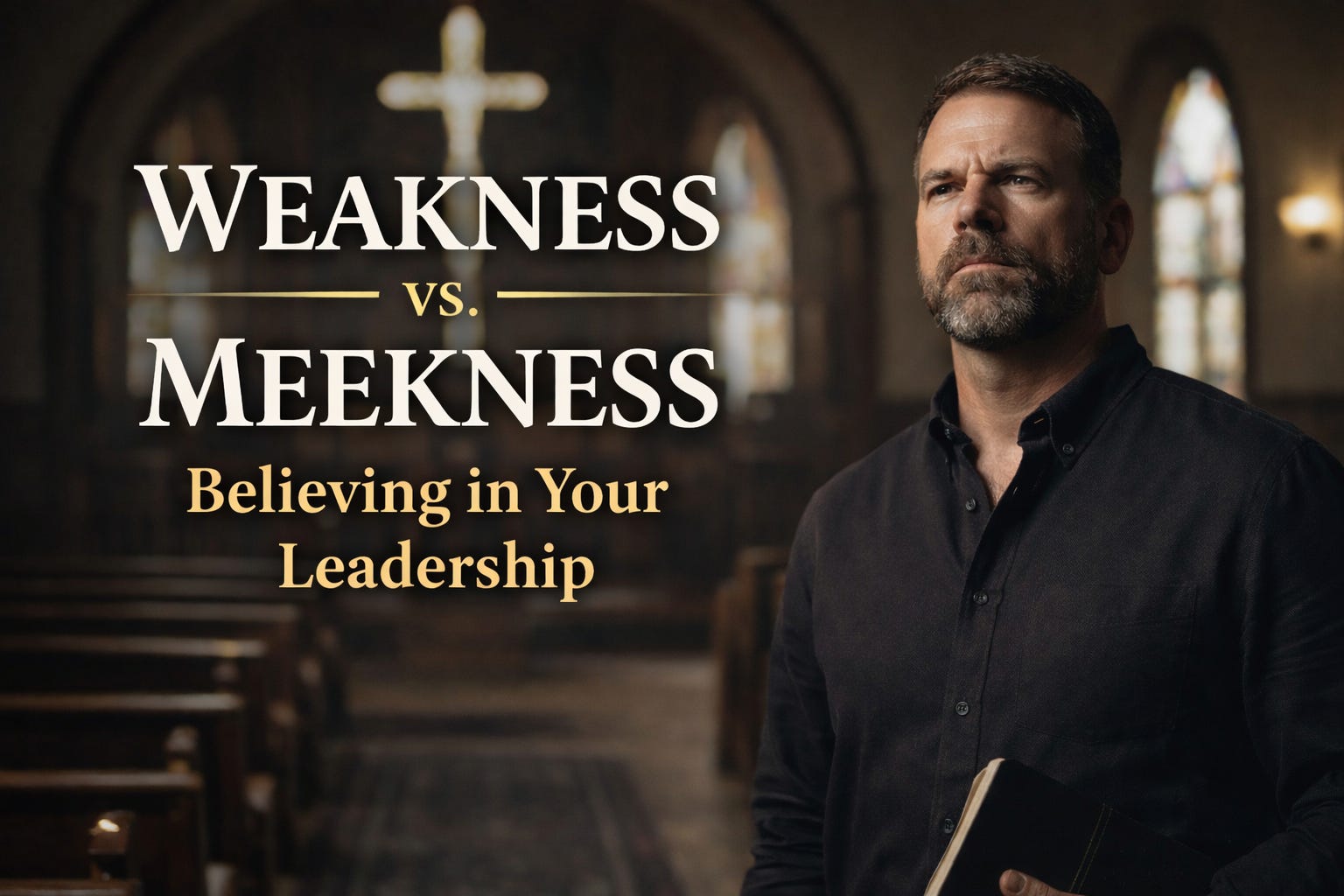
In the church, men are called to lead with purpose, integrity, and courage. Yet there is a common misconception about what makes a man strong in God’s eyes. Many equate strength with the absence of weakness, but the truth is far more profound: meekness, not weakness, is the foundation of real leadership.
Weakness is human. We all experience it, doubt, fear, and moments when we feel inadequate. Acknowledging weakness is honest and necessary. It reminds us that we need God’s guidance and strength. But if weakness remains unchecked, it can paralyze a man, keeping him from stepping into the calling God has given him.
Meekness, on the other hand, is transformative. Meekness is not timidity or passivity. It is the conscious choice to submit to God’s authority, to act with humility, and to lead with courage tempered by grace. A meek man does not deny his limitations; he harnesses them as fuel for faith. Meekness empowers a man to stand firm in God’s Word, make courageous decisions, and guide others with integrity.
Here’s the critical insight for men called to lead in the church: congregations do not follow men who merely avoid weakness, they follow men who embrace meekness. True leadership begins not with self-assertion, but with self-understanding and godly humility. When a man internalizes his calling, acknowledges his dependence on God, and acts in meekness, others naturally recognize his authority and are drawn to follow.
Meekness is a quiet yet commanding strength. It is seen in men who listen as much as they speak, who confront challenges with patience and faith, and who lead with conviction grounded in God rather than their own ego. A meek leader inspires confidence because his leadership is anchored in obedience and righteousness, not in pride or posturing.
Men, understand this: you are strongest when you are meek. Do not aim merely to appear free of weakness; aim to embody the meekness that God honors. Step into your calling with humility, courage, and faith. Let your strength be measured not by the absence of struggle, but by the presence of God’s guidance, the courage to act rightly, and the willingness to serve boldly.
The church is hungry for leaders who lead with meekness. When you embrace it, your influence grows, your impact deepens, and your leadership becomes a reflection of God’s own character. Weakness may humble you, but meekness will elevate you—and through it, you will elevate the people God has entrusted to your care.